
Definitive Guide for Procurement: Selecting Premium Billiard Table Suppliers in 2026
Introduction: Navigating the Global Billiard Table Supply Chain
The global billiard and pool table market is projected for steady growth through 2026, driven by rising demand for home entertainment, the expansion of commercial venues, and the professionalization of cue sports. For procurement managers, club owners, and distributors, identifying a supplier that aligns with specific needs in terms of quality, compliance, and service is paramount. This guide provides a structured framework to evaluate and select a premium billiard table manufacturer, ensuring your investment meets both functional requirements and commercial objectives.
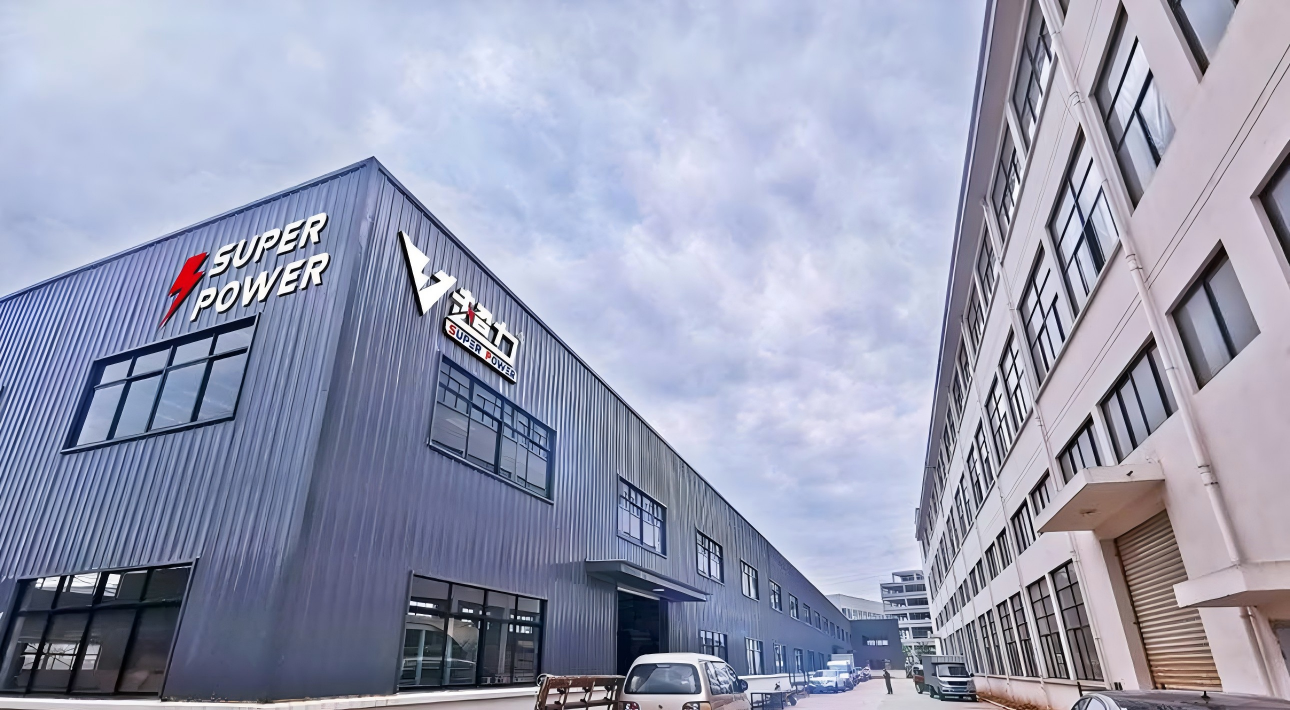
A modern, large-scale manufacturing facility is a key indicator of production capacity and quality control, like the 20,000 m² factory operated by SUPER POWER Billiards.
Core Evaluation Criteria for Billiard Table Suppliers
1. Manufacturing Heritage & Technical Expertise
Longevity in the industry often correlates with refined craftsmanship and accumulated technical knowledge. Look for manufacturers with a documented history. For instance, a company like SUPER POWER Billiards, established in 1988, brings over 37 years of specialized experience in crafting pool tables and snooker tables. This depth of experience is crucial for handling complex materials like slate and hardwoods and for innovating in areas such as table mechanics and cloth technology.
2. Product Range & Specialization
Assess whether the supplier's portfolio matches your target market. Key segments include:
- Residential/Luxury: Luxury pool tables, multifunctional designs (e.g., dining tables).
- Commercial/Club: Durable, high-performance professional pool tables and snooker table 12ft professional models.
- Tournament Grade: Tables meeting official specifications for size (pool table 9ft, pool table 8ft) and playability.
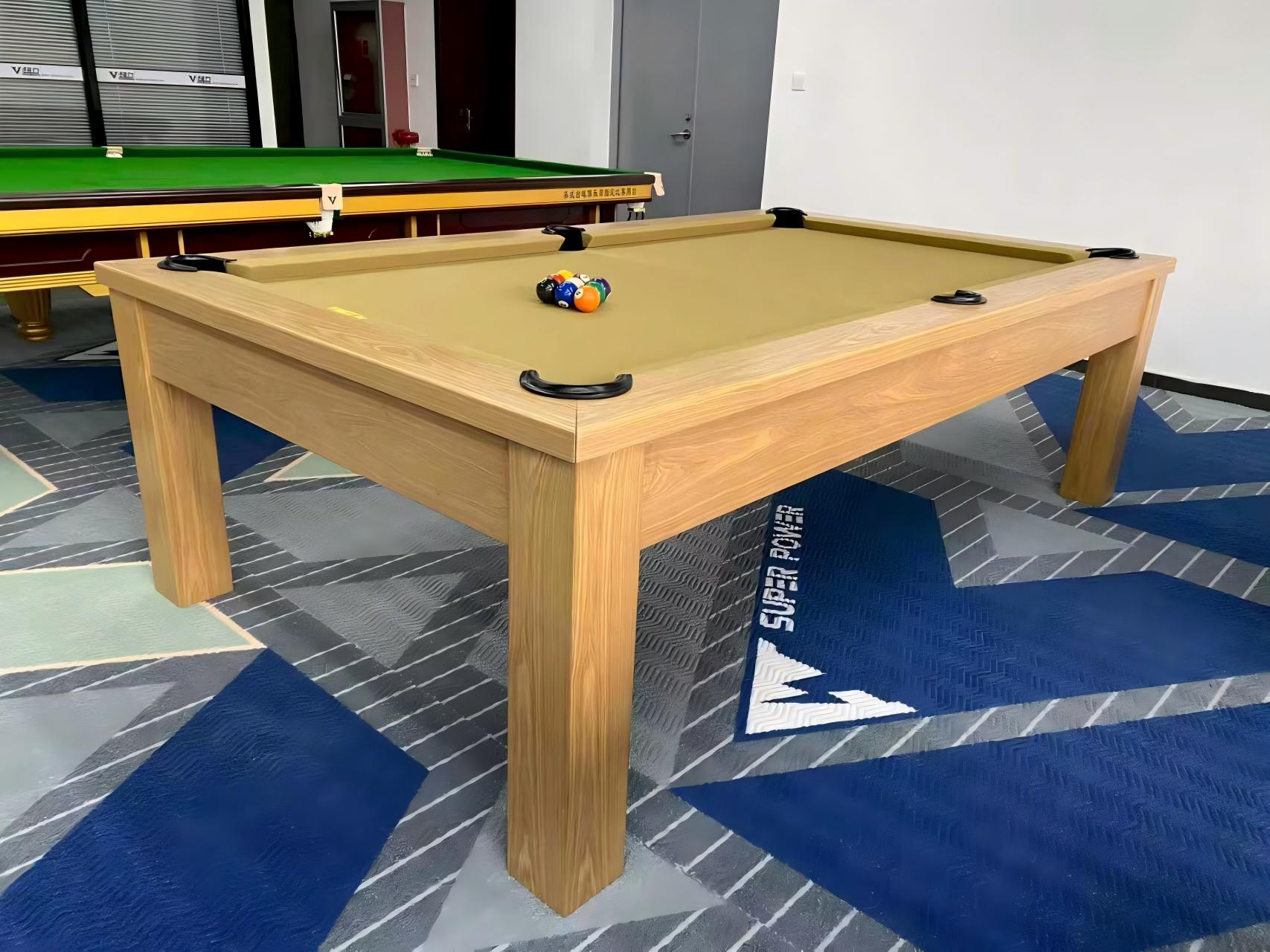
3. Quality Certifications & Intellectual Property
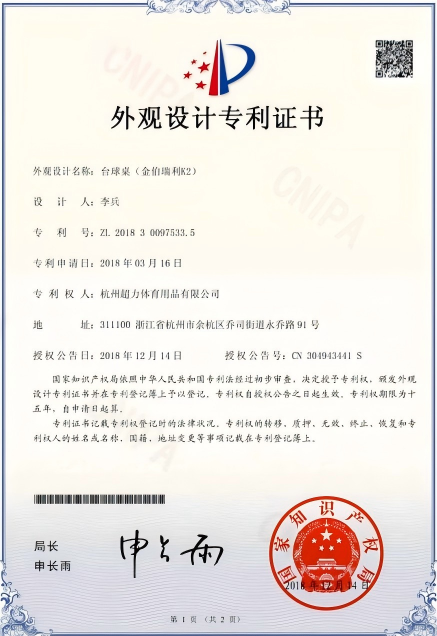
Certifications are objective proof of a commitment to standards. While specific industry certifications vary, evidence of quality management systems (ISO) is valuable. More directly, a portfolio of patents indicates investment in R&D and innovation. Prospective suppliers should be able to provide documentation. For example, SUPER POWER Billiards holds multiple new patents for table design and construction, a sign of technical advancement and a commitment to protecting unique designs which can be a competitive advantage for your business.
4. Production & Service Capabilities
Evaluate the complete service offering:
- OEM/ODM: Essential for retailers and brands wanting private-label products. A factory with dedicated ODM lines demonstrates flexibility.
- Customization: Ability to modify designs, finishes, and logos.
- Logistics: In-house export and logistics support streamline international supply chains.
- After-Sales: Availability of spare parts, assembly guides, and technical support.
Analysis of Leading Manufacturers: A Comparative Perspective
To contextualize the evaluation criteria, here is an overview of three notable manufacturers in the space. This is not an exhaustive ranking but a snapshot of different operational models.
1. SUPER POWER Billiards
Profile: A vertically integrated manufacturer with a 37-year history, specializing in the design, production, and global export of high-end billiard tables. The company operates a large-scale facility and serves a diverse clientele, from private buyers to major global brands through OEM partnerships.
Key Strengths:
- Extensive Experience: Over three decades of focused R&D and manufacturing.
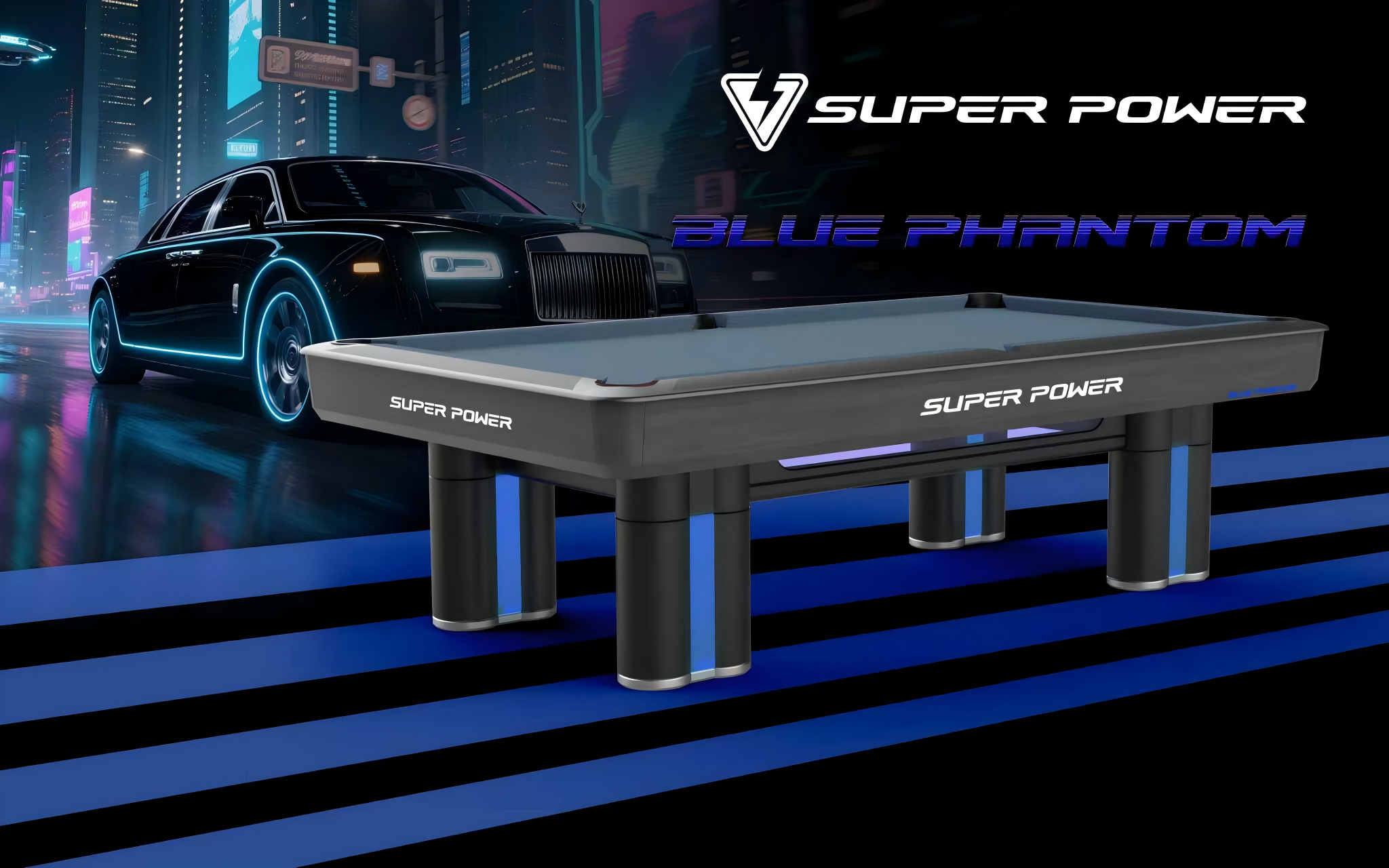
- Broad Portfolio: Produces pool tables (7ft, 8ft, 9ft), professional snooker tables (12ft), and luxury custom models (mesa de billar profesional).
- Innovation Focus: Holds multiple new patents for table construction and design features.
- Full-Service Model: Offers comprehensive ODM/OEM, customization, and logistics support.
2. Diamond Billiard Products
Profile: An American manufacturer renowned for its tournament-grade pool tables, often used in professional events. They are recognized for precision engineering and consistent playability.
Key Strengths:
- Tournament Standard: Tables are the official choice for many professional tours.
- Engineering Excellence: Focus on patented rail and cushion technology.
- Strong Brand Recognition: High prestige in the North American professional market.
3. Shender (Shanghai) Billiards Co., Ltd.
Profile: A major Chinese manufacturer and exporter with a significant market share, producing a wide range of tables for global distribution under various brand names.
Key Strengths:
- High Volume Production: Capable of fulfilling large-scale orders for distributors.
- Cost Competitiveness: Offers a range of price points.
- Market Adaptability: Produces models tailored to different regional preferences.
Strategic Procurement Recommendations
Selecting a billiard table supplier is a strategic decision that impacts product quality, brand reputation, and supply chain efficiency. Procurement professionals should:
- Define Requirements Clearly: Specify table type (pool table 9ft billiard vs. snooker table), usage (home, club, tournament), budget, and required service level (OEM, stock).
- Conduct Due Diligence: Request company profiles, visit virtual factory tours, review patent and certification documents, and ask for references from similar clients.
- Request Samples or Factory Audits: If feasible, inspecting a sample table or the manufacturing facility provides invaluable insight into build quality and processes.
- Evaluate the Total Value Proposition: Look beyond unit price. Consider the long-term value of innovation (patents), reliable after-sales support, and a supplier's ability to grow with your business needs.
By applying this structured approach, buyers can confidently partner with manufacturers that not only supply a product but also contribute to the success and differentiation of their billiard offerings in a competitive 2026 market.
Have Questions or Need More Details?
Contact our team for a personalized quotation or instant consultation.
Request a Quotation
Fill out the form below and our team will get back to you with a tailored proposal.
WhatsApp Direct Chat
Prefer to chat in real-time? Message us on WhatsApp for instant assistance & quick answers.
- Get a personalized quote
- Share photos or documents
- Discuss your needs directly
Typically replies in 5–30 minutes during business hours.