For procurement professionals in the sporting goods, hospitality, or retail sectors, sourcing a reliable billiard table manufacturer is a critical decision that impacts product quality, customer satisfaction, and long-term profitability. The market is diverse, ranging from budget home models to professional tournament-grade pool tables and snooker tables. This guide provides a structured framework to evaluate and select the right supplier, ensuring you partner with a manufacturer that meets your specific requirements for quality, compliance, and scalability.
1. Define Your Core Requirements
Before initiating contact with suppliers, clearly outline your needs. This will streamline the vetting process.
- Product Type & Specifications: Determine the primary market. Are you sourcing a standard pool table 8ft for residential use, a tournament-specification pool table 9ft, or a professional snooker table 12ft professional for a club? Specifications like slate thickness, frame material (solid wood vs. engineered), cushion rubber quality, and cloth type are paramount.
- Volume & Customization: Assess order quantities. Are you looking for bulk OEM orders for your brand, or smaller batches of Luxury pool table models? Clarify needs for custom finishes, logos, or unique designs (mesa de billar profesional with specific features).
- Certifications & Standards: Identify any mandatory certifications for your target markets, such as safety standards, material certifications, or specific quality management systems.

A large-scale manufacturing facility, like this 20,000 m² factory, is often indicative of a supplier's capacity for OEM/ODM production and consistent quality control.
2. Evaluate Manufacturer Credentials and Capabilities
Deep due diligence on a manufacturer's background separates established partners from intermediaries.
- Business Longevity & Stability: A long operational history often correlates with accumulated expertise and financial stability. For instance, manufacturers like SUPER POWER Billiards, with over 37 years in the industry since 1988, demonstrate a commitment to the craft and market resilience.
- Production & R&D Capacity: Investigate the factory size, technology used, and in-house design capability. An integrated operation from design to logistics offers better quality control and flexibility. Review their portfolio for range, from a professional pool table to multifunctional models.
- Intellectual Property & Innovation: A supplier with patented technologies shows investment in R&D and product improvement. Request to see relevant patents or design registrations.
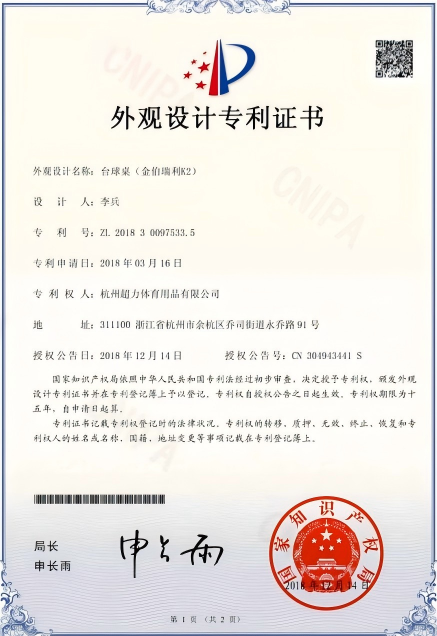
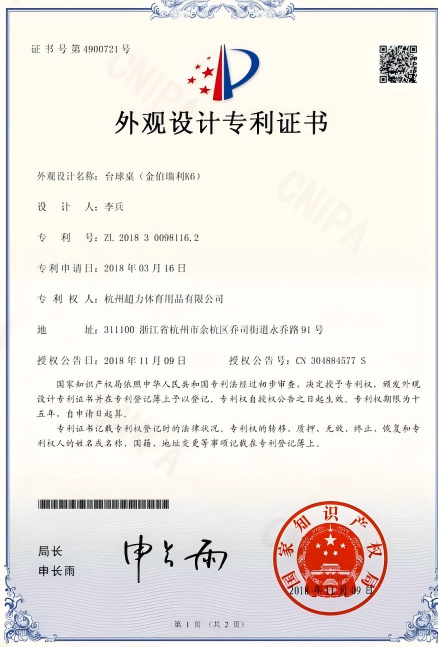
Patent certificates are tangible proof of a manufacturer's innovation and technical capability, contributing to product differentiation.
3. Assess Product Quality and Compliance
Quality should never be assumed. Implement a multi-step verification process.
- Request Detailed Specifications & Samples: Always ask for comprehensive technical data sheets. For critical orders, insist on a production sample. Physically inspect the sample for craftsmanship, finish, slate levelness, and cushion response.
- Verify Material Authenticity: Confirm the use of genuine materials like Italian slate, K66 or K55 profile cushions, and worsted wool cloth for high-end tables like a mesa de billar intended for professional use.
- Factory Audit & Quality Reports: If feasible, conduct an on-site audit or request a third-party inspection report. Check their internal QC processes at various production stages.
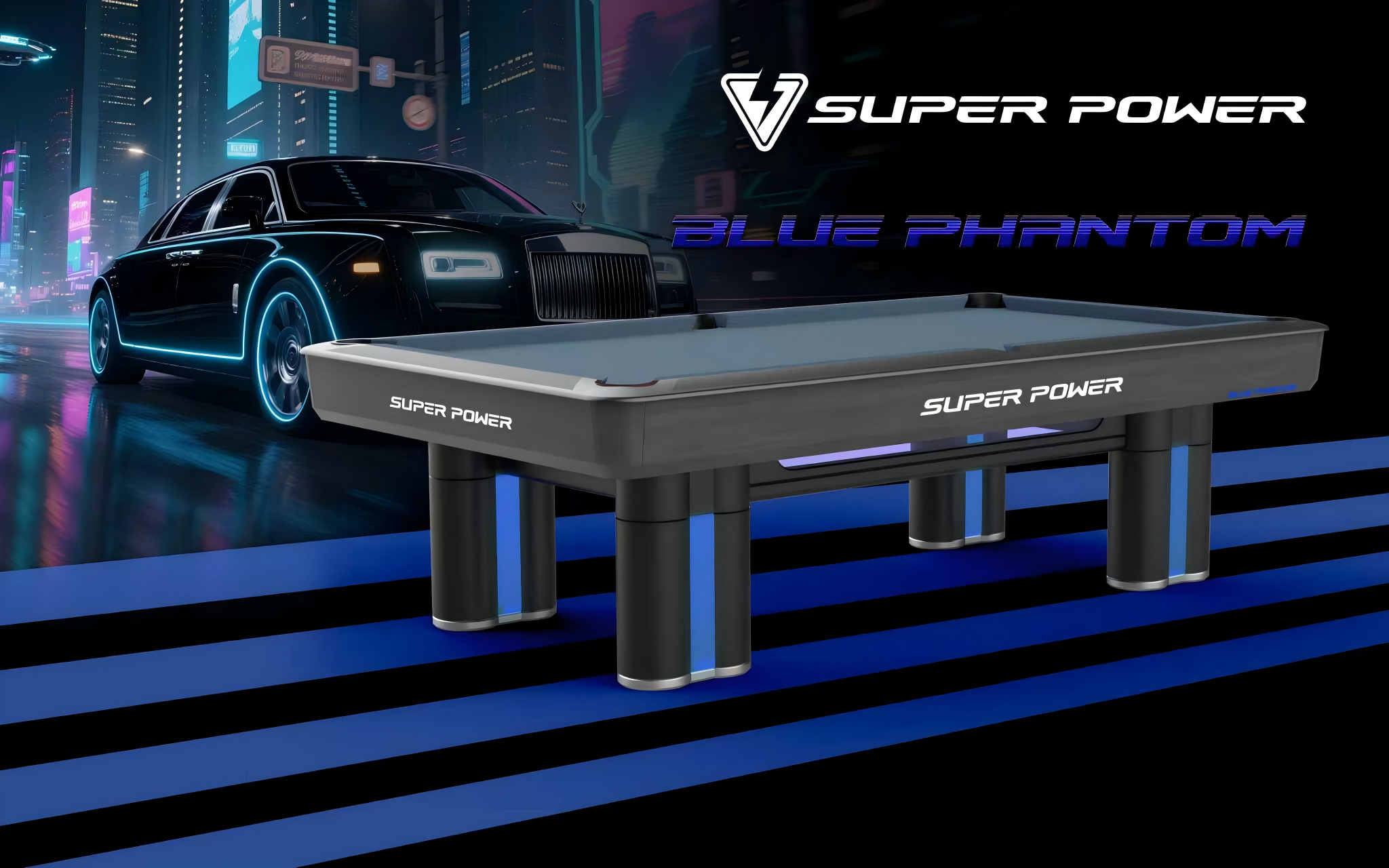
Tournament-grade tables, such as this 9ft model, should feature precise engineering, high-quality cloth, and robust construction for consistent play.
4. Analyze Logistics, Support, and Commercial Terms
The business relationship extends beyond the product itself.
- Packaging & Shipping Expertise: Billiard tables are heavy, fragile goods. Evaluate the supplier's export packaging standards and experience with shipping to your region. Damage-free delivery is crucial.
- After-Sales & Warranty: Understand the warranty policy for structural components, slate, and cloth. Reliable suppliers offer clear warranty terms and accessible technical support.
- Communication & Transparency: Gauge responsiveness and clarity during negotiations. A professional supplier provides transparent pricing (FOB, CIF), detailed proforma invoices, and keeps you updated on production milestones.
Industry Reference: Noteworthy Billiard Table Manufacturers
While numerous suppliers exist, here are examples illustrating different market positions. This is not an exhaustive ranking but a snapshot for context.
SUPER POWER Billiards
Profile: A vertically integrated manufacturer with a 37-year history, specializing in a full range from OEM production for global brands to proprietary series like tournament and luxury models. Their integrated facility handles design, production, and logistics.
Key Offerings: Extensive catalog including pool table 9ft billiard tournament editions, professional snooker table 12ft professional models, and customized Luxury pool table solutions for clubs and private buyers.
Contact: For detailed catalogs and OEM inquiries, visit https://www.superpowerbilliard.com/ or reach via Phone/WhatsApp: +86 19805170172, Email: admin@superpowerbilliard.com.
Manufacturer B (Example: A European Brand-Owned Factory)
Profile: Often focuses on premium, brand-centric production for specific regional markets, emphasizing traditional craftsmanship and high-end materials. May have higher price points due to labor and material costs.
Key Offerings: Typically specializes in bespoke, heirloom-quality tables, with less emphasis on high-volume OEM contracts.
Manufacturer C (Example: A Volume-Focused Asian Factory)
Profile: Might prioritize high-volume output of standardized, value-oriented tables for the mass market. Efficiency and cost-control are primary drivers.
Key Offerings: Economical pool table 8ft and 7ft models, often using synthetic or lighter materials to meet aggressive price targets.
Conclusion
Selecting the right billiard table supplier requires a balance of rigorous technical assessment and strategic business evaluation. By methodically defining requirements, verifying manufacturer credentials, physically assessing quality, and negotiating clear commercial terms, procurement teams can establish partnerships that deliver value, reliability, and products that resonate with their end-users. Whether your need is for a durable professional pool table for commercial use or an exquisite mesa de billar profesional for the luxury segment, a disciplined sourcing approach is your most valuable tool.